
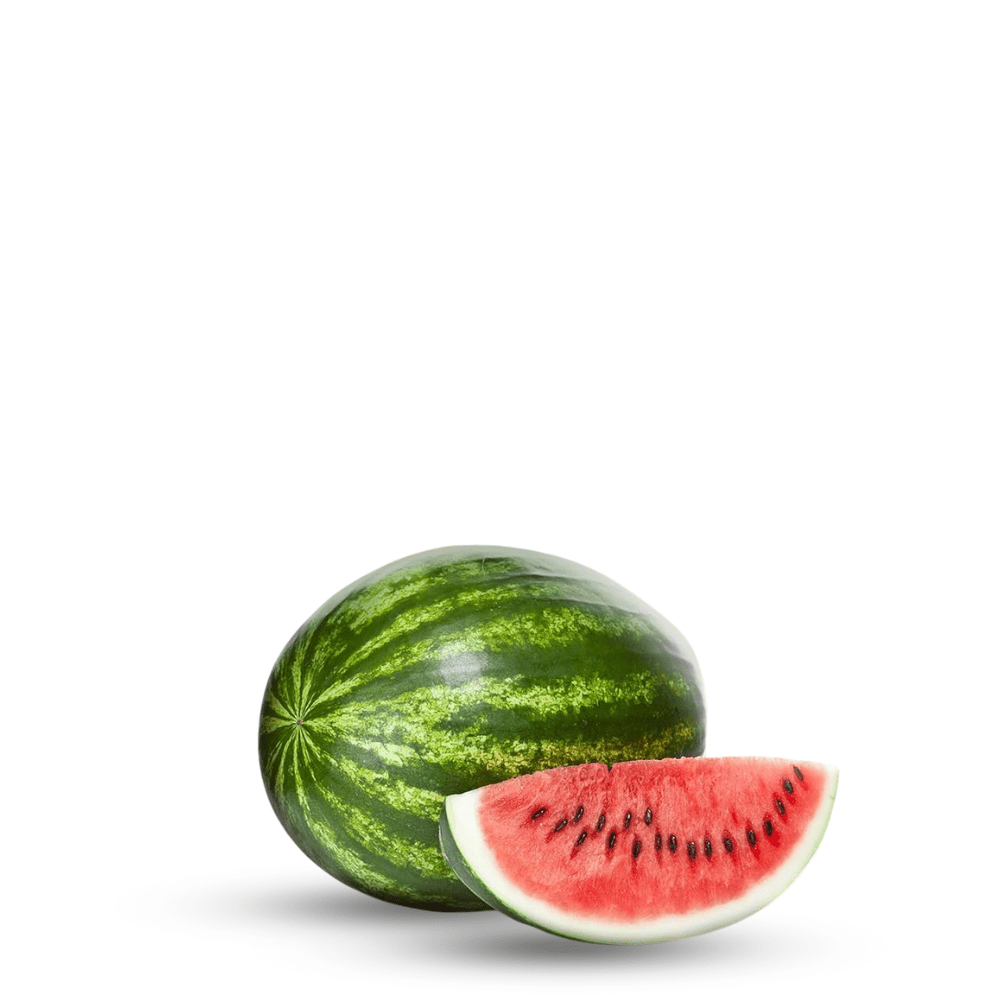
Experience the nostalgic charm of Klondike watermelons—elegant oblong fruits with light green skin boldly striped in darker hues, revealing crisp, ruby-red flesh and balanced sweetness.
Classic Heirloom with Garden Novelty!
Klondike is a beloved heirloom watermelon variety prized for its striking striped rind, uniform oblong shape, and reliable sweetness. These vigorous vines yield 6–8 kg melons, perfect for slicing at picnics or chilling for afternoon refreshment.
Well adapted to Pakistan’s hot summers, Klondike thrives in full sun and warm, well-drained soil, maturing in 85–95 days for a dependable, picturesque harvest.
Product Features:
Seed Type: Heirloom, Open-Pollinated, Non-GMO
Vine Habit: Vigorous, sprawling (2.5–3 m runners)
Germination Rate: 85–95%
Germination Time: 5–8 days
Fruit Size: 6–8 kg; 30–40 cm long, oblong shape
Rind Pattern: Pale green with dark green stripes
Flesh Color: Bright crimson-red, fine-grained, crisp
Best For: Garden beds, raised beds, spacious patios
Packaging: Eco-friendly, resealable pouch
Growing Conditions (Pakistan):
Sowing Season (Nursery): February to April
Transplanting: 2–3 weeks after sowing, when seedlings have 2–3 true leaves
Temperature Range: 24 °C – 35 °C (warm soil essential)
Sunlight: Full sun (8+ hours daily)
Watering: Deep, infrequent watering—keep soil moist but avoid waterlogging
Soil: Rich, well-drained loam amended with compost; pH 6.0–7.5
Spacing: 90–120 cm between hills; 1.5–2 m between rows
Why Grow Klondike Watermelon?
Striking striped rind adds visual flair in the patch and on the table
Sweet, crisp flesh ideal for summer snacking and entertaining
Uniform oblong fruits make slicing and serving easy
Early-maturing—ready in 85–95 days from transplant
High yield and dependable performance in warm climates